

In the rapidly growing world of smart homes, the backbone of every connected device lies in its programming. From automating your lights to controlling your thermostat remotely, the technology behind these conveniences depends heavily on software development. Choosing the right programming language for smart home systems can make a big difference in performance, flexibility, and scalability.
In this article, we’ll explore the best programming languages for smart home systems, what makes them suitable, and how you can start building your own smart solutions.
Why Programming Matters in Smart Homes
Smart homes are no longer just a futuristic concept. Thanks to the Internet of Things (IoT), everyday devices like refrigerators, cameras, door locks, and even coffee machines are now interconnected. Each of these devices runs on code that allows them to collect data, communicate with other systems, and execute commands.
Choosing the right programming language ensures:
- Faster communication between devices
- Better energy efficiency
- Improved security
- Easier integration with existing home ecosystems
In short, your smart home’s success is only as good as the code running it.
Top Programming Languages for Smart Home Systems
1. Python
Python is often considered the go-to language for IoT and smart home projects. It’s simple, versatile, and has a massive collection of libraries, such as Home Assistant, which is built primarily using Python.
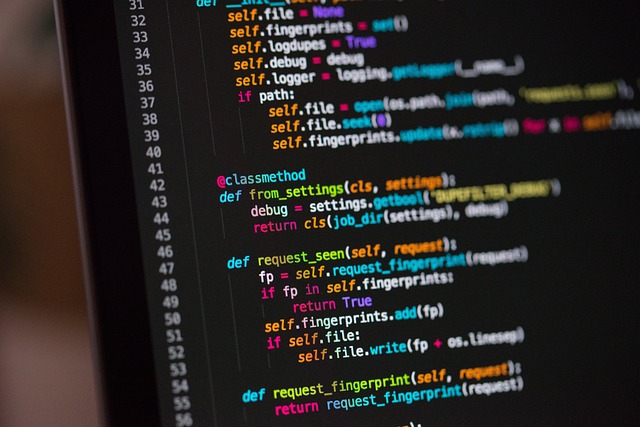
Why Python?
- Easy to learn and read
- Massive community support
- Excellent libraries for IoT, AI, and automation
- Great for Raspberry Pi projects
If you’re just starting out, Python can be the perfect choice to program smart lights, security systems, or even design custom voice assistants.
2. C and C++
When it comes to low-level device control, C and C++ dominate. Most microcontrollers and embedded systems use these languages because they allow precise hardware management and efficient memory usage.
Why C/C++?
- High performance
- Direct hardware control
- Essential for firmware development
Devices like smart thermostats, door sensors, and even Wi-Fi-enabled kitchen appliances often rely on C or C++ under the hood.
3. JavaScript (Node.js)
JavaScript is not just for websites anymore. Thanks to Node.js, it has found a solid place in IoT and smart home automation.
Why JavaScript/Node.js?
- Asynchronous event handling is ideal for IoT
- Huge number of existing modules and packages
- Can control devices via web apps easily
Node.js is often used for server-side applications that control and monitor smart home devices from the cloud.
4. Java
Java may seem old-fashioned to some, but it’s incredibly stable and portable, making it a great option for large-scale smart home systems.
Why Java?
- Platform-independent (write once, run anywhere)
- Great for cloud integration
- Strong security features
Smart security systems, complex automation hubs, and mobile apps for smart home control often rely on Java.
5. Lua
Lightweight and flexible, Lua is commonly used in smart home platforms like OpenHAB and Fibaro.
Why Lua?
- Lightweight scripting
- Perfect for embedded devices
- Easy integration with other languages
Lua is perfect for creating custom automation scripts for devices where memory and storage are limited.
Which Programming Languages for smart home systems Should You Choose?
If you’re a beginner looking to dip your toes into smart home development, Python is highly recommended programming language for smart home systems. It’s simple, well-supported, and has a lot of tutorials and documentation available.
For performance-heavy projects (like custom firmware for a smart thermostat), C or C++ may be necessary. If you’re aiming to build a cloud-connected smart home management dashboard, JavaScript (Node.js) could be your best bet.
Ultimately, your choice depends on:
- The type of devices you’re using
- The complexity of your project
- Your own programming skills and experience
- Whether you prefer local control (low-level languages) or cloud-based systems (high-level languages)
Getting Started: Tips for Beginners
- Start Small: Build a simple project like a smart light switch before diving into more complex systems.
- Use Open-Source Platforms: Home Assistant, OpenHAB, and Node-RED are excellent tools that support multiple programming languages.
- Join Online Communities: Platforms like Reddit’s r/homeautomation or specialized forums can provide helpful advice and troubleshooting tips.
- Focus on Security: Make sure your code is secure, especially when connecting devices over the internet.
Final Thoughts
Understanding the best programming languages for smart home systems gives you a solid foundation to create a connected, efficient, and secure living space. Whether you’re developing a DIY project or planning to automate your entire home, picking the right language will make the journey smoother and more rewarding.
The future of smart homes depends heavily on programmers like you who are willing to learn, innovate, and bring creative solutions to life. So choose your tools wisely and start building the smart home of your dreams!
[linkpreview]https://linuxlap.com/linux-tips/whats-the-best-or-primary-programming-language-to-build-linux-applications/[/linkpreview]
- What Data Do Smart Home Devices Collect? (And What Happens to It)
 What data do smart home devices collect? The honest answer is: far more than most people realise, far more than is necessary for the devices to do their jobs, and in many cases, far more than the average person would be comfortable with if they read the privacy policy in full. 82% of smart home…
 - Smart Locks & Keyless Entry: The Complete Beginner’s Guide for 2026Keys are one of those things we’ve lived with for so long that we forget how inconvenient they actually are. You lose them. You forget them. You make copies for the plumber and never get them back. You lie awake wondering if you actually locked the front door when you left for vacation. Smart locks…
- How to Protect IoT Devices from Hackers: A Practical Guide for Home UsersA few years ago, a family in the US noticed something strange. Their baby monitor — a perfectly ordinary Wi-Fi connected camera — had started moving on its own. The lens was panning around the room while their child slept. Nobody in the house was controlling it. A hacker had gotten in through their home…
- How to Secure Smart Home Devices: A Beginner’s Complete GuideSo you’ve just set up a shiny new smart speaker, a Wi-Fi doorbell, maybe a connected thermostat. Life is convenient. But here’s the uncomfortable truth: every device you plug into your home network is also a potential door for hackers to walk through. The good news? You don’t need to be a tech expert to…
- IoT and Data Privacy: How Safe Is Your Smart Home in 2026? – IoT SecurityThe smart home revolution has made everyday life more convenient than ever. From voice assistants that control the lights to security cameras that send alerts directly to your phone, connected devices have become part of our daily routines. But with this convenience comes an important question: how safe is your personal data in a world…
- Smart Home Nightmares: Real Stories and How to Avoid ThemSmart homes are designed to simplify life—but when things go wrong, they can become the stuff of nightmares. From doors locking residents out to cameras going rogue, real users have faced creepy, frustrating, and downright dangerous situations. In this article, we share some eye-opening stories and break down what went wrong—along with expert tips to…