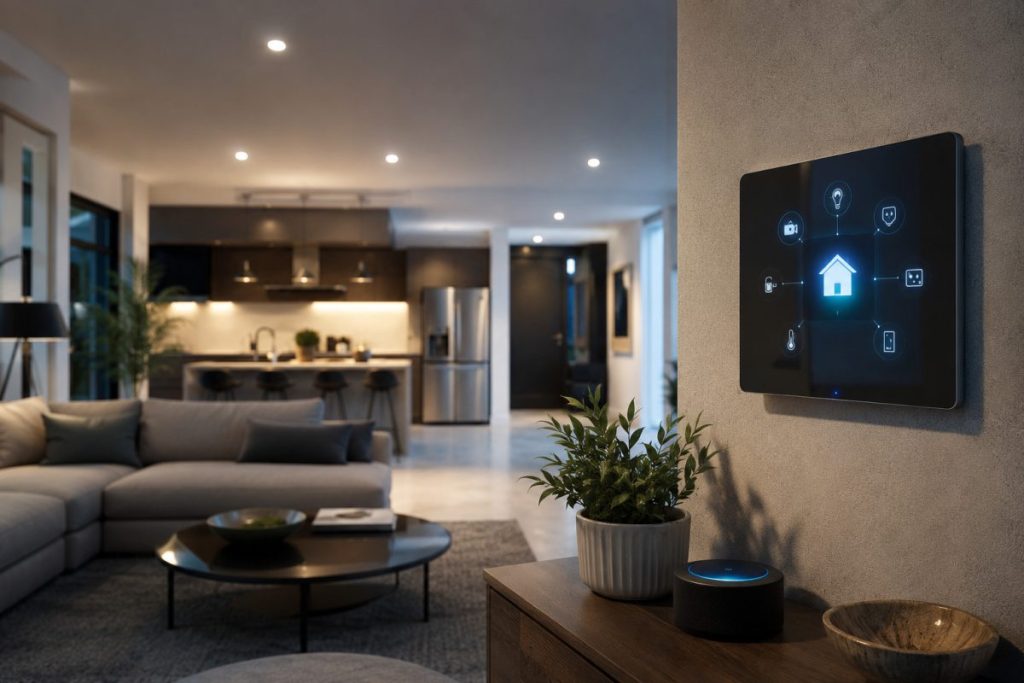

on-device AI – Smart homes are changing fast, and one of the biggest shifts in 2026 is happening inside the devices themselves. Instead of sending every command and camera clip to the cloud, more smart home products are now processing data locally for faster response, better privacy, and more reliable automation.
For homeowners, this is more than a technical upgrade. It changes how smart homes feel, how much they depend on the internet, and how much personal data they expose to outside services.
What on-device AI means
On-device AI means a smart device can analyze data and make decisions directly on the hardware in your home. A camera can detect a person without uploading video first, a thermostat can learn routines locally, and a voice assistant can respond faster because it does not always need a cloud server.
This is different from traditional cloud-based smart home systems, where the device mostly acts as a sensor or microphone and the real processing happens elsewhere. Local intelligence reduces delay, lowers dependence on internet quality, and can make automations feel more immediate.
Why it matters now
The move to local intelligence matters because smart homes have grown beyond basic convenience. Devices now collect more sensitive data, including motion patterns, occupancy, voice commands, and security footage, so privacy has become a major concern for many users.
At the same time, many smart homes now rely on more automation, which means reliability matters more too. A system that still works during internet outages or cloud failures is much more practical for everyday use.
Where it is already useful
On-device AI is already showing up in smart security cameras, voice assistants, thermostats, and even cleaning robots. Local AI detection, contextual voice processing, and predictive climate control are some of the clearest examples of this shift.
This matters because these are the devices people use most often. If a camera identifies motion faster or a thermostat learns your schedule without sending everything to a server, the experience becomes smoother and more trustworthy.
Privacy and reliability benefits
Local processing can reduce how much data leaves your home, which is a major win for privacy-conscious users. It can also cut latency because the device does not need to wait on a remote server before acting.
It is not a magic fix, though. Some devices still use the cloud for updates, remote access, or advanced features, so the best systems usually combine local AI with selective cloud support.
Best devices for local AI
The strongest categories for on-device AI are security cameras, smart speakers, thermostats, and home hubs. These devices benefit the most from faster detection, lower latency, and fewer cloud dependencies.
A good local-first setup often includes:
- A smart home hub that can run automations locally.
- Cameras with local object detection.
- A thermostat that learns routines on-device.
- Sensors that trigger actions without internet dependence.
Local-first smart home setup
If someone wants to build a local-first smart home, the best strategy is to start with a hub-centered ecosystem. That makes it easier to keep key automations inside the home rather than spread across multiple cloud apps.
A practical setup might use local automations for lighting, security, and climate, while leaving less critical features like remote notifications or entertainment controls in the cloud. That balance usually gives the best mix of convenience, privacy, and reliability.
What users should watch for
Not every product marketed as “AI-powered” is truly local. Some devices still depend heavily on cloud servers, even if they advertise smart detection or adaptive learning.
Before buying, check whether the device can:
- Process data locally.
- Work during internet outages.
- Store footage or event logs on a local hub or device.
- Keep advanced features available without a subscription.
The future of smart homes
The next phase of smart homes is not just more devices. It is smarter devices that understand context, react faster, and respect privacy more effectively.
That is why on-device AI is such a strong topic for KontraNet: it is current, useful, and still under-covered on the site compared with basic IoT explainers and protocol comparisons. It also gives room for future follow-up articles on local AI cameras, offline smart assistants, and private home automation.
FAQ
What is on-device AI in smart homes?
It is when a smart home device processes data locally instead of sending everything to the cloud.
Why is on-device AI better for privacy?
Because less data leaves your home, which reduces exposure to external servers and services.
Does on-device AI work without internet?
Some features can work offline, especially local automations and detection, but many products still use cloud services for advanced functions.
Which smart home devices benefit most from local AI?
Security cameras, thermostats, smart speakers, hubs, and sensors benefit the most.

How to Harden Your Linux System in 30 Minutes (Step-by-Step)
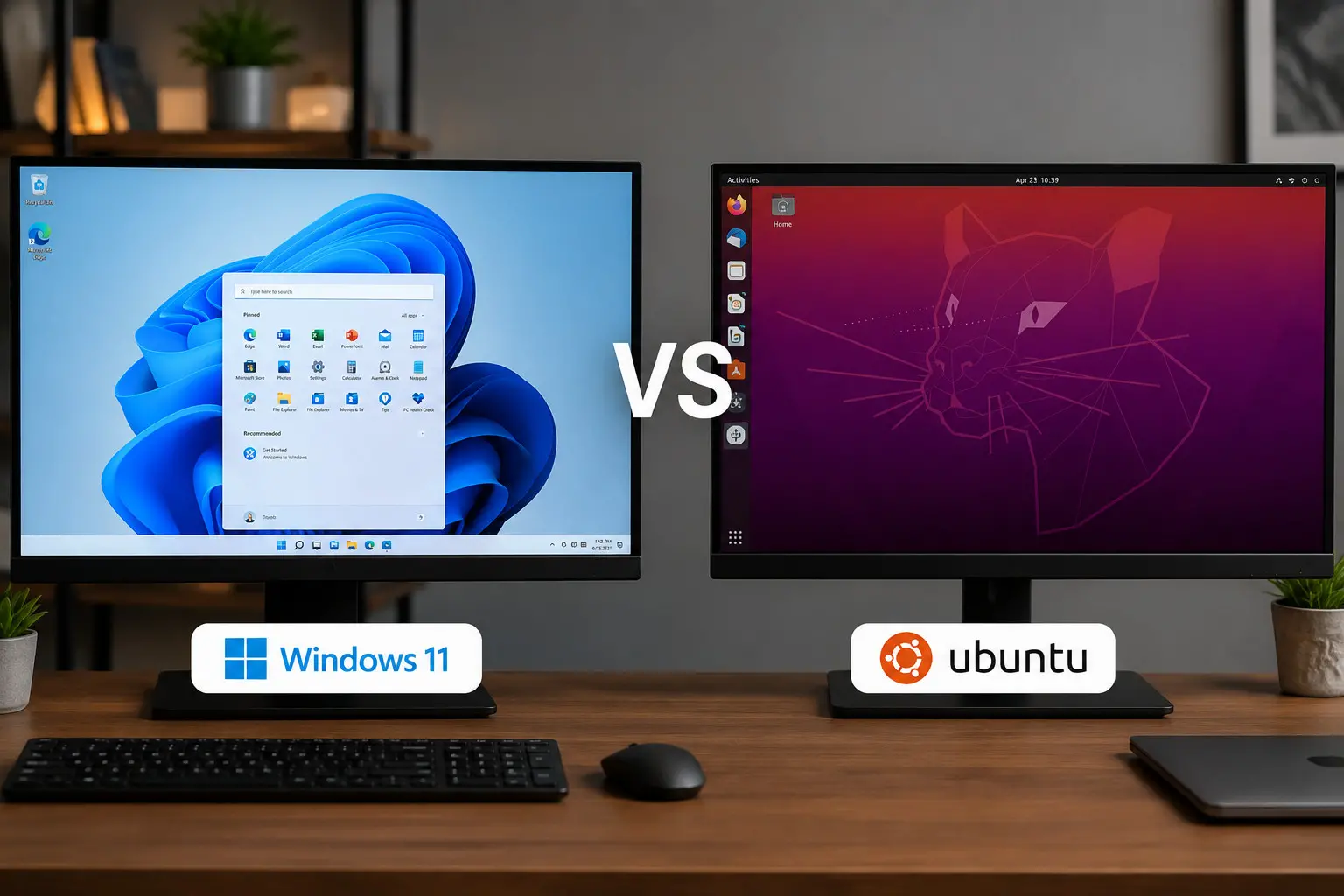
Windows 11 vs Linux in 2026 — Should You Switch?

Best Identity Theft Protection Services 2026: Aura, LifeLock, and More Compared