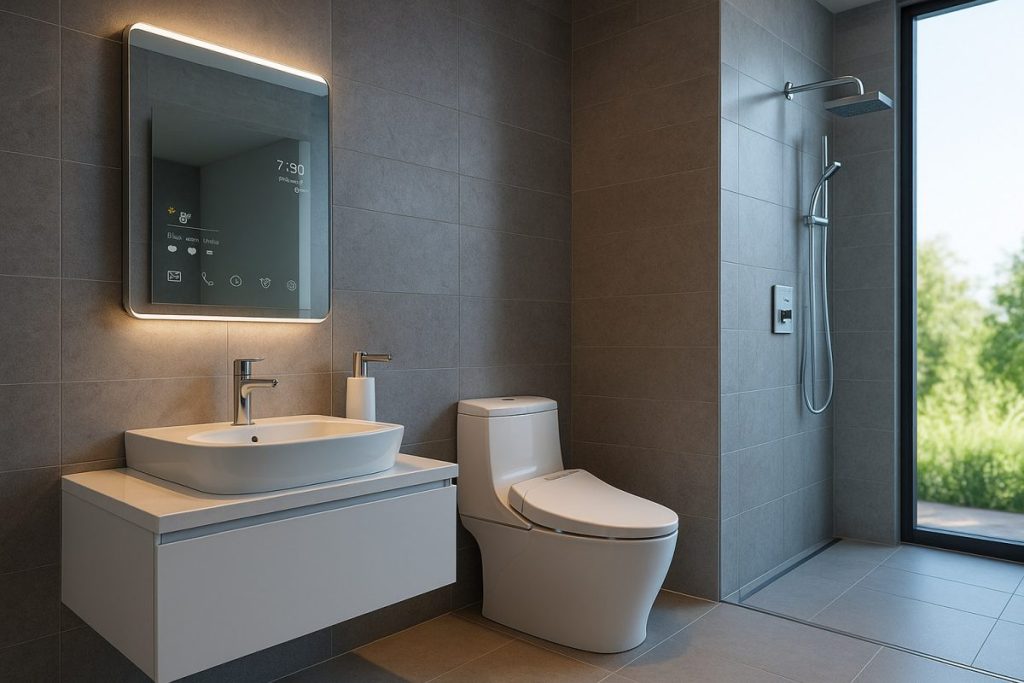

In 2025, the bathroom is no longer just a functional space—it’s a hub of innovation. With the rise of smart home technology, bathrooms are getting a high-tech makeover. From automatic faucets to AI-powered mirrors, the smart bathroom combines hygiene and automation to create a cleaner, more convenient daily experience. Let’s explore what this transformation means, what devices are trending, and how you can upgrade your bathroom for the future.
What is a Smart Bathroom?
A smart bathroom integrates connected devices and automation to enhance hygiene, comfort, and water efficiency. Think of it as the bathroom version of a smart home—intuitive, hands-free, and customized to your routine.
Common Smart Bathroom Features:
- Touchless faucets and soap dispensers
- Smart toilets with bidet functions
- Voice-controlled lighting and music
- App-connected showers for personalized temperature
- Fogless smart mirrors with built-in lighting and health tracking
These innovations offer more than just convenience—they support better hygiene and resource management, two critical concerns in modern households.
Why Hygiene and Automation Matter
The COVID-19 pandemic shifted global awareness toward cleanliness. Touchless technology became mainstream, and the bathroom was a prime candidate for an upgrade. Smart bathrooms reduce contact points, automate cleaning functions, and help prevent the spread of germs.
Hygiene Benefits:
- Reduced contamination through motion-sensing devices
- Self-cleaning toilet bowls and UV sanitization
- Filtered water for washing hands or brushing teeth
- Hands-free flushing systems for improved public and private hygiene
These features aren’t just about luxury—they’re about health and sustainability.
Top Smart Bathroom Devices in 2025
Here are some of the most sought-after products powering modern bathrooms:
1. Smart Toilets
Brands like Toto and Kohler lead the market with features like heated seats, bidet sprays, auto-flush, and odor control.
2. Smart Showers
Control water temperature and duration through apps or voice assistants. Save presets for each family member.
3. Smart Mirrors
Display weather, news, time, and health data while you brush your teeth. Some mirrors even monitor your skin condition or hydration levels.
4. Automatic Soap Dispensers
A small upgrade with a big impact—no need to touch a pump when washing hands.
5. Smart Lighting Systems
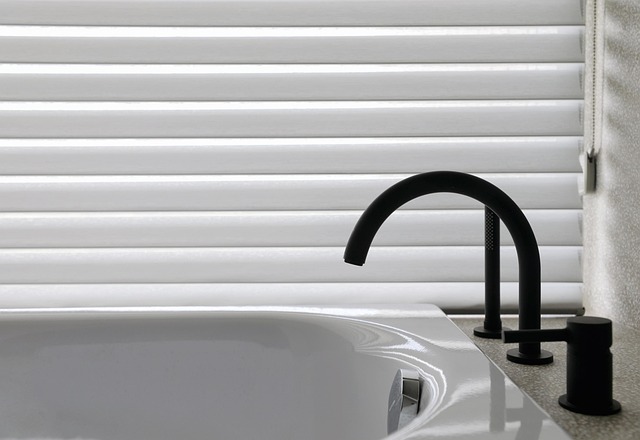
Motion-activated or voice-controlled lights reduce energy waste and increase convenience during nighttime use.
Energy and Water Efficiency
Smart bathrooms are not only convenient—they’re eco-friendly. Most smart devices help conserve resources through automation and monitoring.
- Water-saving smart showers regulate flow without compromising pressure.
- Leak detection sensors help prevent water damage and reduce waste.
- Smart toilets use minimal water per flush depending on need.
How to Build Your Smart Bathroom
You don’t have to remodel your entire space to get started. Begin with these entry-level upgrades:
| Budget-Friendly Upgrades | High-End Transformations |
|---|---|
| Motion-sensor lights | Full smart toilet systems |
| Smart plug for hair tools | Touch-screen mirror installation |
| Automatic soap dispenser | App-controlled shower systems |
Over time, you can integrate your devices using voice assistants like Alexa or Google Assistant for centralized control.
Privacy and Security Considerations
As with any smart system, privacy is a factor. Devices that use cameras or microphones (like smart mirrors or assistants) should come from reputable brands with clear data policies. Always secure your home Wi-Fi and keep firmware updated.
Smart Bathrooms: Not Just for Homes
Hotels, office buildings, and high-end public restrooms are adopting smart bathroom technologies too. This means visitors can enjoy hygiene-focused design even outside their homes—driving broader adoption of this growing trend.
Final Thought
Smart bathrooms represent the next frontier in personal hygiene, sustainability, and lifestyle design. By combining automation with cleanliness, they’re changing how we interact with one of the most-used rooms in the house. Whether you’re building a futuristic home or just want fewer germs on your hands, a smart bathroom is a smart move.
FAQ: Smart Bathrooms
Q: What makes a bathroom “smart”?
A: A smart bathroom uses connected devices to automate tasks, improve hygiene, and enhance comfort—such as motion-sensing faucets, smart mirrors, and app-controlled showers.
Q: Are smart bathroom devices expensive?
A: Prices vary. Some devices like automatic soap dispensers are affordable, while smart toilets and mirrors can cost more. You can start small and upgrade over time.
Q: Can I install smart bathroom tech myself?
A: Many devices are plug-and-play and DIY-friendly. Others, like smart showers or toilets, may require professional installation.
Q: Are smart bathrooms safe from hacking?
A: Yes, if you follow best practices—use secure Wi-Fi, buy reputable brands, and keep device software updated.
Q: Do smart bathrooms save water?
A: Yes. Smart toilets and showers are designed to optimize water usage, often reducing waste compared to traditional systems.
- AI Home Companion Robots Are Here: What CES 2026 Revealed About Your Future Living Room
 AI home companion robots stopped being a sci-fi punchline this year. At CES 2026 in Las Vegas, LG showed off a robot with two arms and five-fingered hands folding laundry on stage. Samsung unveiled a full ecosystem of appliances it’s now calling “home companions” instead of appliances. And a startup founded by the co-creator of…
 - On-Device AI in Smart Homes: Why 2026 Is the Year of Local Intelligenceon-device AI – Smart homes are changing fast, and one of the biggest shifts in 2026 is happening inside the devices themselves. Instead of sending every command and camera clip to the cloud, more smart home products are now processing data locally for faster response, better privacy, and more reliable automation. For homeowners, this is…
- Home Assistant for Beginners: Your First Step Away from Big Tech’s Smart HomeHome Assistant for beginners usually starts the same way: frustration. Maybe Google Home dropped a device for no reason. Maybe Alexa started asking for a subscription to use a feature that was free last year. Maybe a smart home brand you trusted announced it was shutting down its cloud servers, turning thousands of dollars of…
- What Data Do Smart Home Devices Collect? (And What Happens to It)What data do smart home devices collect? The honest answer is: far more than most people realise, far more than is necessary for the devices to do their jobs, and in many cases, far more than the average person would be comfortable with if they read the privacy policy in full. 82% of smart home…
- Digital Twins Explained: The Technology That Creates a Living Copy of EverythingDigital twins explained in one sentence: a digital twin is a living, continuously updated virtual replica of a real physical object, system, or process — connected to its real-world counterpart through sensors and data, updating in real time as the physical version changes. That definition is accurate, but it doesn’t quite capture why this technology…